
Views: 0 Author: Site Editor Publish Time: 2025-10-29 Origin: Site


The Pocket Spring Coiling Machine is a critical component in the manufacturing of high-quality mattresses. Its precision and efficiency are vital for producing consistent and durable pocket springs. Proper maintenance of this machinery is essential to ensure its longevity and optimal performance. This article delves into the best practices for maintaining a Pocket Spring Coiling Machine, offering insights into preventive measures, routine checks, and troubleshooting common issues.
A Pocket Spring Coiling Machine is designed to produce individual pocket springs that are later assembled into a mattress core. These machines are equipped with various components, including a wire feeding system, coiling unit, and pocketing mechanism. Understanding the function and operation of each component is crucial for effective maintenance. The wire feeding system ensures a steady supply of wire, while the coiling unit shapes the wire into springs. The pocketing mechanism then encases each spring in fabric, creating a pocketed coil.
The precision of these machines is paramount, as any deviation can lead to inconsistencies in spring tension and alignment. Regular calibration and alignment checks are necessary to maintain the machine's accuracy. Additionally, operators must be trained to recognize signs of wear and tear in the machine's components, as these can affect the quality of the final product.
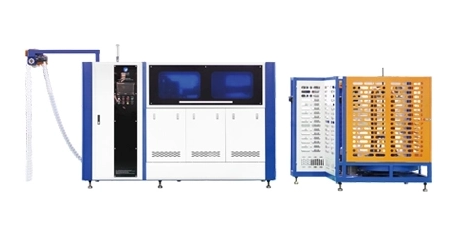
Routine maintenance is the cornerstone of keeping a Pocket Spring Coiling Machine in optimal condition. This involves a series of regular checks and services that prevent minor issues from escalating into major problems. Key maintenance practices include lubrication, cleaning, and inspection of critical components.
Lubrication is essential for reducing friction between moving parts, which can lead to premature wear. Operators should follow the manufacturer's guidelines for the type and frequency of lubrication required. Cleaning is another vital practice, as dust and debris can accumulate in the machine, affecting its performance. Regular cleaning of the wire feeding system and coiling unit ensures smooth operation.
Inspection involves checking for signs of wear, such as frayed wires or worn-out bearings. Any damaged components should be replaced promptly to avoid further damage. Operators should also check the tension and alignment of the springs to ensure they meet the required specifications.
Preventive maintenance goes beyond routine checks by proactively addressing potential issues before they arise. This approach involves scheduling regular maintenance sessions based on the machine's usage and operating conditions. Preventive maintenance strategies include component replacement, system upgrades, and software updates.
Component replacement is crucial for parts that have a limited lifespan, such as belts and bearings. Replacing these components at regular intervals prevents unexpected breakdowns. System upgrades, such as installing newer, more efficient parts, can enhance the machine's performance and extend its lifespan. Software updates are also important, as they can improve the machine's functionality and address any bugs or issues.
Implementing a preventive maintenance schedule requires careful planning and coordination. Operators should keep detailed records of maintenance activities, including the date, type of service, and any issues encountered. This information can help identify patterns and predict when future maintenance is needed.
Despite regular maintenance, issues can still arise with a Pocket Spring Coiling Machine. Troubleshooting these problems quickly and effectively is essential to minimize downtime and maintain production efficiency. Common issues include wire jams, spring misalignment, and fabric tearing.
Wire jams can occur if the wire feeding system is not properly aligned or if there is a blockage in the feed path. Operators should check the alignment and clear any obstructions to resolve this issue. Spring misalignment is often caused by incorrect tension settings or worn-out components. Adjusting the tension and replacing any damaged parts can rectify this problem.
Fabric tearing can result from sharp edges or incorrect settings in the pocketing mechanism. Inspecting the machine for sharp edges and ensuring the settings are correct can prevent this issue. In cases where troubleshooting does not resolve the problem, consulting the manufacturer's support team or referring to the machine's manual may be necessary.
Operator training plays a significant role in the maintenance of a Pocket Spring Coiling Machine. Well-trained operators are better equipped to perform routine maintenance, identify potential issues, and troubleshoot problems effectively. Training programs should cover the machine's operation, maintenance procedures, and safety protocols.
Hands-on training is particularly beneficial, as it allows operators to familiarize themselves with the machine's components and functions. Regular refresher courses can help operators stay updated on the latest maintenance techniques and technologies. Additionally, training should emphasize the importance of following the manufacturer's guidelines and using the correct tools and materials.
Investing in operator training not only improves the machine's maintenance but also enhances overall productivity and safety. Skilled operators can quickly identify and address issues, reducing downtime and minimizing the risk of accidents.
Maintaining a Pocket Spring Coiling Machine requires a comprehensive approach that includes routine maintenance, preventive strategies, and effective troubleshooting. Understanding the machine's components and functions is essential for identifying and addressing potential issues. Regular training ensures that operators are equipped with the knowledge and skills needed to maintain the machine effectively.
By implementing these maintenance practices, manufacturers can ensure the longevity and optimal performance of their Pocket Spring Coiling Machines. This not only enhances product quality but also improves operational efficiency and reduces costs associated with repairs and downtime. For more detailed information on maintaining these machines, manufacturers can refer to resources provided by experts in the field.


