
Views: 0 Author: Site Editor Publish Time: 2026-03-30 Origin: Site


Is a pocket spring mattress really better than memory foam, or is it just marketing hype? Many people struggle to decide because both options promise comfort, support, and better sleep. Yet, once you lie down, they feel completely different. Choosing between them often depends on your sleep habits, body type, and even how warm you feel at night. Some people prefer a breathable, supportive surface, while others enjoy a softer, body-hugging feel.
In this article, we will break down the key differences between a pocket spring mattress and memory foam. You will learn how each performs, who they suit best, and how to choose the right one for your needs.
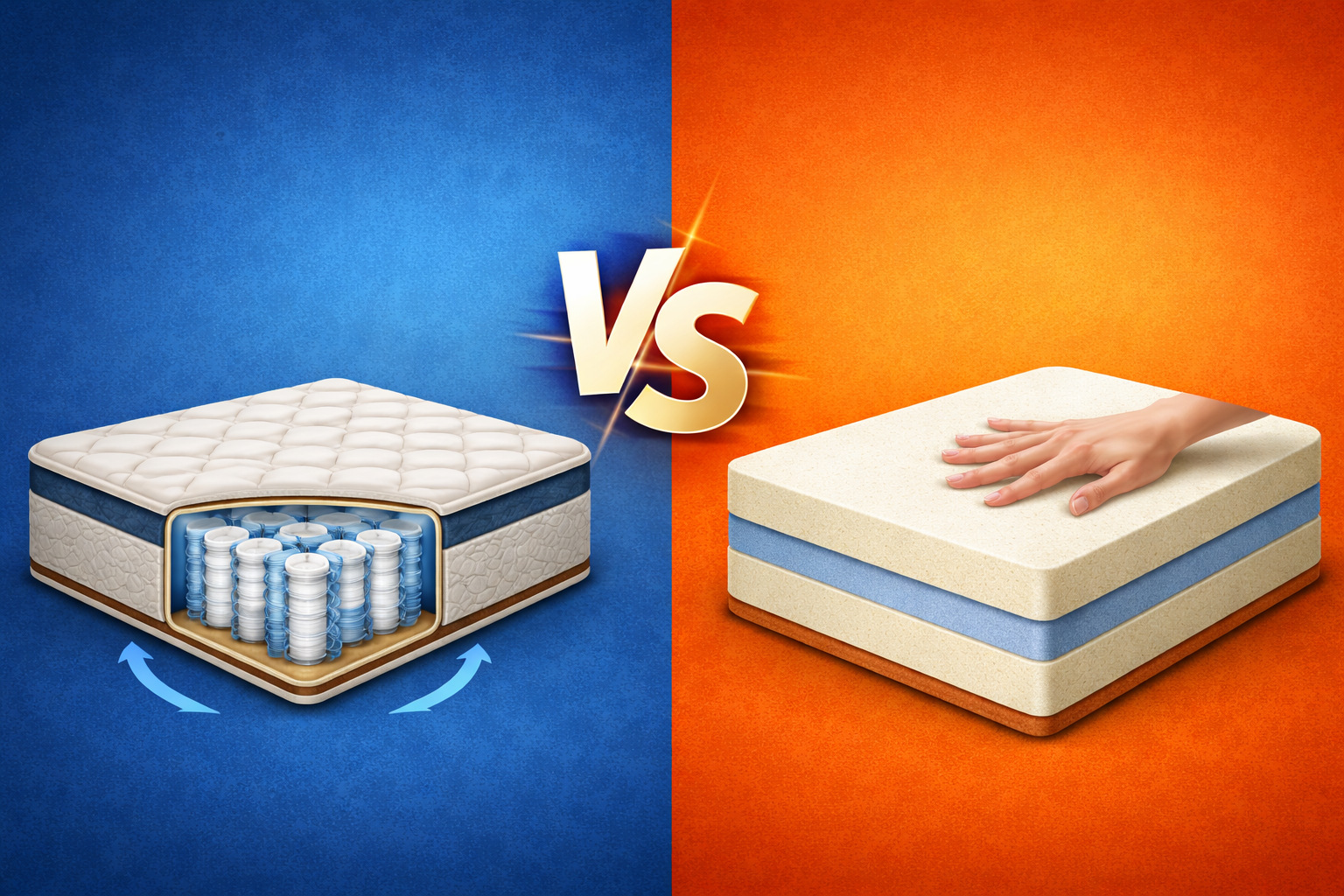
A pocket spring mattress uses hundreds or even thousands of individual coils. Each spring sits in its own fabric pocket, allowing it to move independently. This design lets the mattress respond directly to your body’s pressure points.
Because each spring works on its own, the mattress provides targeted support across different areas. Heavier parts like hips and shoulders get stronger resistance, while lighter areas stay supported without sinking too much.
Modern manufacturing has improved this system even further. Companies like Yulun use automated assembly machines and precision engineering to ensure consistent spring alignment and durability. This results in better support and longer-lasting performance.
Memory foam works very differently. Instead of pushing back, it absorbs pressure. When you lie down, your body heat softens the foam, allowing it to mold closely to your shape.
This creates a “hugging” sensation. Many people enjoy this feeling because it distributes weight evenly and reduces pressure on joints. However, the slow response can make it harder to move or change positions during the night.
The difference in feel becomes clear the moment you lie down. A pocket spring mattress keeps you lifted, giving a light bounce and quick response. Memory foam allows you to sink slightly, creating a more enveloped sensation.
Feature | Pocket Spring Mattress | Memory Foam Mattress |
Surface Feel | Responsive and bouncy | Soft and contouring |
Movement Ease | Easy to reposition | Slower, more restricted |
Support Style | Push-back resistance | Body-conforming support |
Temperature plays a huge role in sleep quality.
Pocket spring mattresses allow air to flow freely between coils. This natural ventilation helps release body heat and keeps the surface cooler.
Memory foam, by contrast, tends to trap heat. Its dense structure holds warmth close to your body. While newer designs include cooling gels, they still don’t match the airflow of a spring-based system.
If you share a bed, motion matters.
Memory foam absorbs movement extremely well. When your partner moves, the motion stays localized. This makes it ideal for light sleepers.
Pocket spring mattresses also reduce motion transfer because of their independent coils. However, some movement can still travel across the surface. For most couples, though, it remains comfortable and balanced.
Back and stomach sleepers usually need firmer support to keep the spine aligned. A pocket spring mattress provides this through its push-back structure.
Instead of letting the hips sink too deeply, the springs maintain a more even surface. This helps reduce lower back strain and improves posture during sleep.
If you often wake up feeling too warm, airflow becomes essential.
Pocket spring mattresses allow heat to escape through the gaps between coils. This keeps the surface cooler throughout the night.
Memory foam, even with cooling layers, still retains more heat. That’s why many hot sleepers switch to pocket spring systems for better comfort.
Some people don’t stay in one position. They shift from side to back or stomach throughout the night. A pocket spring mattress adapts quickly to movement. Its responsive surface makes turning and repositioning effortless. You won’t feel “stuck,” which often happens with memory foam.
Although memory foam leads in motion isolation, pocket spring mattresses still work well for couples. The independent coil system reduces disturbance while keeping a more natural feel. Many couples prefer this balance because it combines support, airflow, and moderate motion control.
Side sleepers place more pressure on shoulders and hips during the night. Memory foam performs very well in this area. It contours closely to the body, allowing these areas to sink slightly while supporting the rest of the body evenly. This reduces pressure points and helps improve blood circulation over time. As a result, many side sleepers experience less discomfort and fewer interruptions during sleep.
Memory foam is often chosen by people who need extra comfort and pressure relief during sleep. Its ability to respond to body weight and shape makes it especially helpful for reducing strain on sensitive areas.
Key Benefit | How It Helps the Body | Who It Suits Best |
Even Weight Distribution | Spreads body weight across the surface to avoid pressure buildup | People with joint pain or stiffness |
Pressure Relief | Reduces stress on hips, shoulders, and knees | Side sleepers and pain-sensitive users |
Body Contouring | Molds closely to body shape for personalized support | Users who prefer a softer feel |
Long-Term Comfort | Maintains cushioning over extended periods of use | Those seeking consistent comfort |
These features work together to create a more supportive and comfortable sleep surface. Over time, they can help reduce discomfort and improve overall sleep quality.
A high-quality pocket spring mattress can last between 10–15 years. Its steel coils provide strong structural support and resist long-term compression.
However, durability depends on the quality of materials and construction. Advanced manufacturing—like the automated systems used by Yulun—helps ensure consistent spring performance and reduces weak points in the mattress core.
Memory foam can also last many years, especially when made with high-density materials.
Over time, though, it may develop body impressions. These can affect comfort and support, particularly if the foam quality is lower.
Several factors influence how long a mattress performs well. These include material quality, frequency of use, and maintenance practices such as rotation.
Factor | Impact on Lifespan |
Material Quality | Higher quality extends durability |
Usage Frequency | Heavy use accelerates wear |
Maintenance | Proper care preserves structure |
Manufacturing | Precision improves consistency |
Tip: Investing in mattresses produced through advanced automated systems often results in more consistent quality and fewer long-term issues.
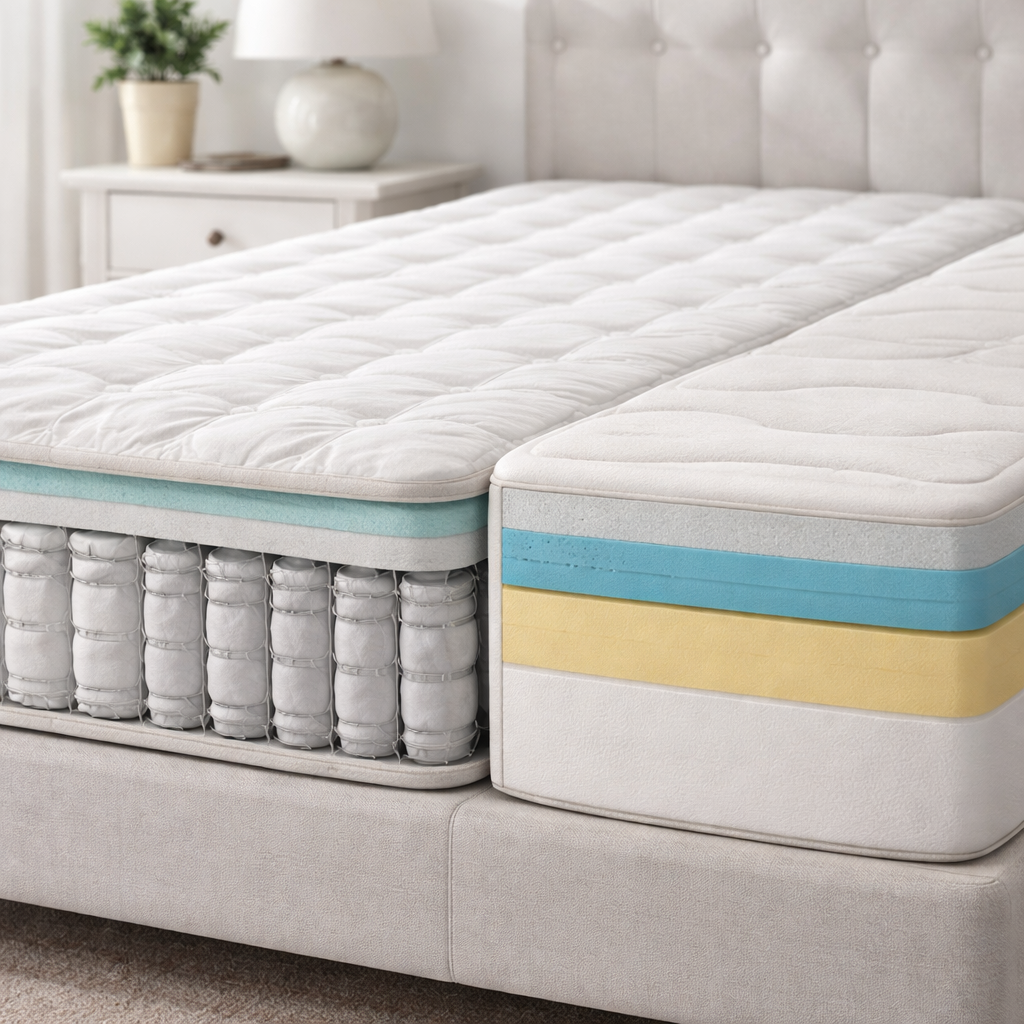
Pocket spring mattresses come in a wide range of firmness levels. By adjusting coil tension and layering materials, manufacturers can create soft, medium, or firm options. This flexibility allows sleepers to choose a feel that matches their comfort needs more precisely. It also supports different body types and sleeping positions more effectively. Over time, this adaptability helps maintain consistent comfort without feeling too rigid or too soft.
Memory foam offers a more uniform feel across the entire surface. It adapts closely to the body instead of providing varied resistance like springs. This creates a stable and pressure-relieving experience for many users, especially those who prefer a consistent sleeping surface. However, some people may find it too soft or slightly restrictive over time, especially if they move frequently during sleep.
More coils generally mean better support and responsiveness. However, quality matters more than quantity. Look for tempered steel springs and well-constructed pocket systems, as they improve durability and performance over time. A higher-quality spring system also maintains its shape longer, ensuring consistent comfort and reliable support throughout daily use.
Hybrid mattresses are designed to combine different materials into one balanced sleep solution. By integrating multiple layers, they aim to deliver both strong support and enhanced comfort.
Component | Role in the Mattress | Benefit to the User |
Pocket Springs | Provide core structure and responsive support | Better spinal alignment and durability |
Foam or Latex Layers | Add cushioning and pressure relief | Softer feel and improved comfort |
Layered Construction | Combines multiple materials effectively | Balanced sleep experience |
Together, these elements create a mattress that feels supportive yet comfortable. This balanced design makes hybrid options a popular choice for many sleepers.
Your ideal mattress depends on several factors:
● Sleeping position
● Body weight
● Temperature preference
● Movement habits
Manufacturing quality also plays a key role. Companies like Yulun, known for strong R&D and patented technologies, help ensure that modern pocket spring mattresses meet high standards for performance and reliability.
Note: Choosing a mattress built with advanced production technology often leads to more consistent comfort and fewer long-term issues.
So, is a pocket spring mattress better than memory foam? In many situations, it is a strong choice, especially for people who want better airflow, firmer support, and easier movement during sleep. It suits hot sleepers, back sleepers, and those who prefer a more responsive surface. At the same time, memory foam remains valuable for pressure relief and motion isolation, making it ideal for side sleepers or those with joint discomfort.
In the end, the best option depends on your sleep style and comfort needs. High-quality production also matters. Guangdong Yulun Intelligent Technology Co., LTD. supports this by providing advanced pocket spring machinery that improves consistency, durability, and overall mattress performance, helping manufacturers deliver reliable and comfortable products.
A: It depends on your needs. A pocket spring mattress offers better airflow and support, making it great for daily comfort, especially if you prefer a firmer, more responsive feel.
A: A pocket spring mattress uses individual coils for support, while memory foam contours to your body. This creates a bouncy feel versus a soft, hugging sensation.
A: Yes, a pocket spring mattress can support spinal alignment by providing balanced resistance. It helps keep your body in a neutral position during sleep.
A: A pocket spring mattress allows air to circulate between coils. This airflow helps release heat and keeps the sleeping surface cooler than memory foam.
A: Memory foam isolates motion better, but a pocket spring mattress still reduces movement while offering better support and breathability for shared sleeping.
A: A high-quality pocket spring mattress can last 10 to 15 years. Its durability depends on coil quality, materials, and proper maintenance.


