Is a pocket spring mattress really good for your sleep, or just another trend? Many people want comfort, but they also need proper support every night. Finding both in one mattress can feel difficult. A pocket spring mattress stands out because it balances these needs well. It uses individual springs to respond to your body more precisely. Over time, better materials and smarter production have made it more reliable and breathable.
Is a pocket spring mattress really better than memory foam, or is it just marketing hype? Many people struggle to decide because both options promise comfort, support, and better sleep. Yet, once you lie down, they feel completely different. Choosing between them often depends on your sleep habits, body type, and even how warm you feel at night. Some people prefer a breathable, supportive surface, while others enjoy a softer, body-hugging feel.
Choosing a Pocket Spring Machine is more than a simple equipment decision. It shapes mattress quality, production flow, labor use, and future growth. Many buyers focus on speed first, yet speed alone rarely ensures stable output or consistent product performance. So how do you choose a Pocket Spring Machine that truly fits your factory? The challenge is not just comparing machines. It is about matching the machine to your production goals, product range, and daily workflow.
What makes one mattress feel more supportive than another? In many cases, the answer starts inside the factory, not the bedroom. As buyers expect better comfort and more personalized sleep, manufacturers need smarter ways to build mattress cores at scale. That is where the Pocket Spring Machine becomes essential. It helps turn steel wire into individually wrapped springs, giving mattresses better consistency, support, and motion isolation. It also helps factories improve speed and product quality at the same time.
Choosing the wrong Pocket Spring Machine can slow production before you notice it. It can also raise labor costs, reduce product consistency, and limit how far your factory can grow. That is why this decision matters so much in modern mattress manufacturing. A strong machine does more than assemble springs. It helps you improve precision, maintain stable quality, and respond faster to market demand for premium mattresses. The right choice supports both daily efficiency and long-term business growth.
In the competitive landscape of mattress manufacturing, efficiency is often lost in the transition between processing stages. Manual foam handling introduces hidden costs that erode margins, ranging from material damage caused by improper gripping to inconsistent alignment that jams downstream equipment.
This manual assembly machine has a wide range of applications, with adhesive springs ranging in height from 6cm to 28cm. It can also be used to produce micro pocket spring units or irregular units, as well as sofa seat pocket spring cushions
1. The action of pushing springs to glue is driven by a servo motor instead of a air cylinder, so the force is greater and more stable, and the produced spring units size are precise
2. The structure design of the driving spring flipping is very solid, and the machine failure rate is low
3. The operating system is designed to be very user-friendly, and there is no need to calculate spray glue data when adjusting production specifications. The system automatically calculates, which is very simple and fast
Product name | Pocket spring assembly machine | |
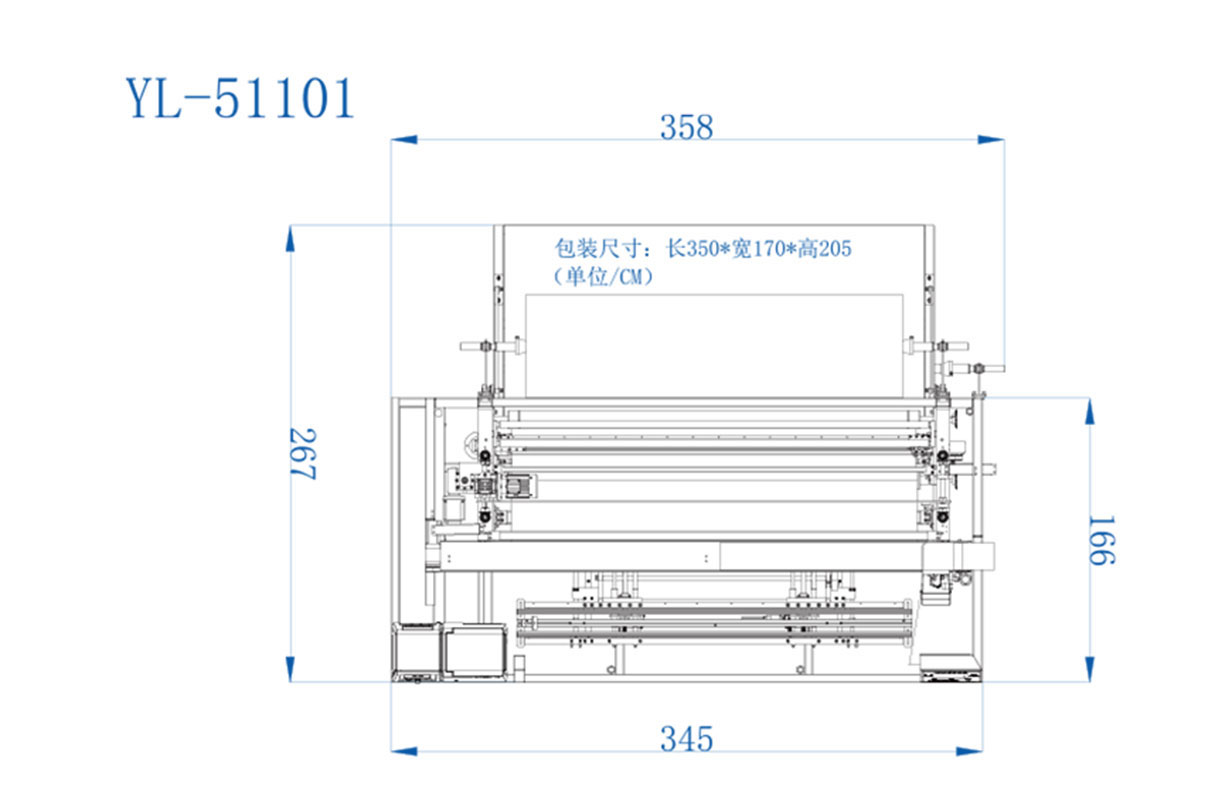
Model | YL-51101 | |
Efficiency | 7 rows/min | |
Gluing System | Meler(Spanish) | |
Working Principle | Servo Control | |
Pocket spring placement | Manual | |
| Gluing method | Spot spray and continuous spray | |
| Pocket spring height | 60-280mm | |
| Pocket spring unit width | ≤2200mm | |
| Non-woven width | ≤2300mm | |
| Non-woven density | 50-100g/m² | |
| Power Consumption | 12 KW | |
Voltage | 3AC380V | |
Input Current | 32A | |
Frequency | 50/60 Hz | |
| Air Consumption | 0.25m³/min | |
| Air Pressure | 0.5-0.6Mpa | |
| Weight | 2600 KG | |
1. The action of pushing springs to glue is driven by a servo motor instead of a air cylinder, so the force is greater and more stable, and the produced spring units size are precise
2. The structure design of the driving spring flipping is very solid, and the machine failure rate is low
3. The operating system is designed to be very user-friendly, and there is no need to calculate spray glue data when adjusting production specifications. The system automatically calculates, which is very simple and fast
Product name | Pocket spring assembly machine | |
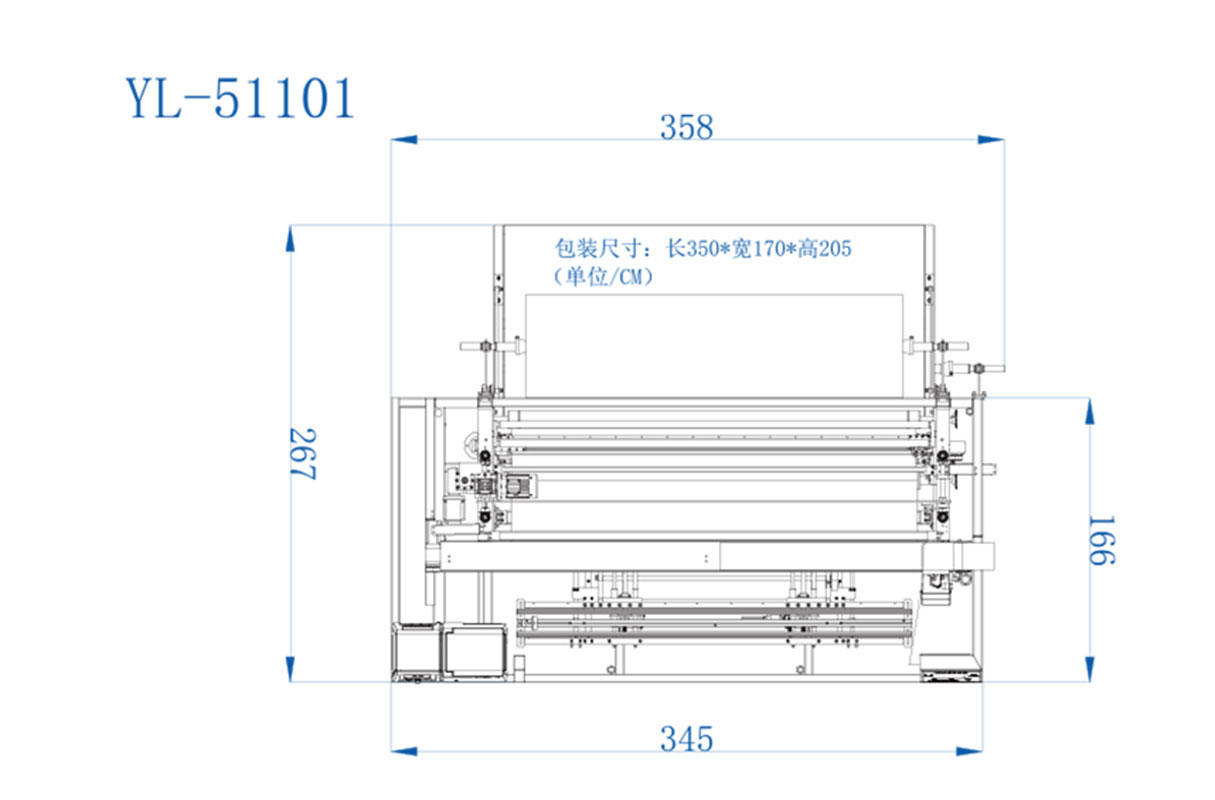
Model | YL-51101 | |
Efficiency | 7 rows/min | |
Gluing System | Meler(Spanish) | |
Working Principle | Servo Control | |
Pocket spring placement | Manual | |
| Gluing method | Spot spray and continuous spray | |
| Pocket spring height | 60-280mm | |
| Pocket spring unit width | ≤2200mm | |
| Non-woven width | ≤2300mm | |
| Non-woven density | 50-100g/m² | |
| Power Consumption | 12 KW | |
Voltage | 3AC380V | |
Input Current | 32A | |
Frequency | 50/60 Hz | |
| Air Consumption | 0.25m³/min | |
| Air Pressure | 0.5-0.6Mpa | |
| Weight | 2600 KG | |